Sell your classic car

The UK’s plan to phase out petrol and diesel cars has been developing for several years. Government policy has shifted, but the core intention has stayed the same. The official ban affects only the sale of new petrol and diesel cars, not existing vehicles. This means classic cars can continue to be driven, bought and sold.

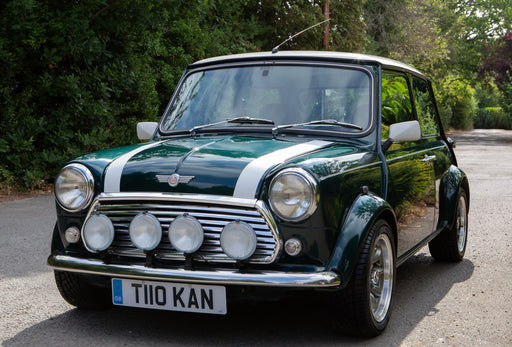
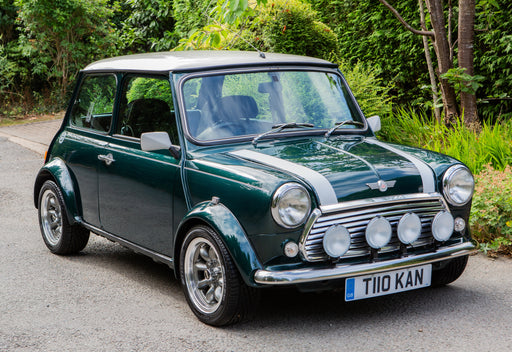
(Photo credit to Pexels & Wikimedia)
Classic cars will remain an important part of the motoring world. The ban does not force owners to part with their vehicles, and it does not target the classic sector at all. Cars already on the road will stay legal. Many classic cars are eligible for historic classification once they reach forty years of age, which can already provide certain exemptions. That mindset is unlikely to change.
There may be gradual changes in petrol supply as more drivers switch to electric vehicles. Fuel stations may adapt over time by increasing charging points. Petrol is still expected to remain available, although owners may need to plan where they refuel in the long term. This shift is expected to be slow rather than sudden.

Although policies can adapt over time, the current Government documentation continues to support the 2035 plan. The ban is closely linked to the wider net-zero strategy, and manufacturers have already invested in electric development.
Despite these commitments, many people in the UK question whether the ban will go ahead exactly as planned. This is largely because previous deadlines have been adjusted, and some members of the public feel future governments may revisit the timeline. Although opinions vary, the policy in place today still reflects the 2035 target.
Although the main indicators that the ban is moving forward include:
Electric vehicles are at the centre of the long-term plan. Charging networks are growing rapidly, and EV sales continue to rise. Some classic car owners are also exploring electric conversions that allow them to keep the style and character of their car with a modern power system.
Synthetic fuels may also play a role in the future. These fuels are produced differently from traditional petrol and could become a low-volume solution for vehicles that use older engines. They are not yet mainstream, but they remain a point of interest in the industry.
Changes in the second-hand market are expected as the deadline approaches. Some experts believe reduced availability of new petrol cars could increase interest in classic vehicles. Others note that running costs could rise if fuel becomes more expensive to distribute.
Classic cars tend to behave differently from everyday petrol cars because value is often linked to character, rarity and heritage - not to mention the fun-factor with Classic Minis. Well-preserved examples of popular models are likely to stay desirable and attract more attention as electric vehicles become the norm.
At Phil Mires Classic Cars, we are here to help you understand the future of your vehicle. Whether you want guidance on valuation or help choosing your next investment, contact us, and Phil will be happy to assist you.
(Cover Photo credit to Pexels & Wikimedia)
The Mini John Cooper LE 40 was unveiled in 1999, celebrating 40 remarkable years of the Mini and honouring the Cooper’s triumph in the F1 World Cha...
View detailsThis Mini Cooper Sportspack was first registered by Bristol Minis on 8th August 2000 and is presented in rare Nightfire Red with a white roof and b...
View detailsThis Mini Cooper Sportspack was first registered on 22nd February 1999 and is presented in Anthracite grey with a white roof and body decals, over ...
View detailsThis Mini Cooper Sportspack was originally supplied by Evans Halshaw Rover on 31st March 2000 and is presented in rare Anthracite grey with a white...
View detailsWe are delighted to present this stunning Mini Cooper Sport, originally supplied by Thomas Day Motors, Fleet on 30th June 2000. The Mini is finishe...
View detailsThis Mini Cooper Sportspack was originally supplied by Whichford Rover, Basingstoke on 1st March 1999 and is presented in iconic British Racing Gre...
View details