Sell your classic car

Classic cars have long held their place as more than just a means of transport and are increasingly viewed as considered purchases, blending driving enjoyment with long-term value.
As the second-hand market evolves, attention is shifting towards models that offer both character and usability. This poses the questions; Which Classic Cars are gaining momentum and value, and what’sdriving their appeal?
Certain Classic Cars increase in value because they strike a balance between desirability, usability and how rare they are. Limited production numbers naturally create a demand, but that alone is not enough. Buyers are increasingly drawn to cars that feel engaging to drive, with analogue controls and a clear sense of identity. Value is not only measured through monetary worth, the personal value also a car holds can be measured in enjoyment and the smiles per miles it provides.
Nostalgia also plays a role. Cars from the 1980s and 1990s are now firmly in focus, as buyers revisit the models they admired earlier in life. Well-documented history and originality continue to complement nostalgia and trends to influence pricing more than cosmetic condition alone. The latest trend shifting towards smaller, usable Classics.
Compact, characterful Classics are seeing particularly strong demand in 2026. While larger grand tourers still have their place, there is a noticeable shift towards cars that are enjoyable on modern roads without feeling cumbersome and inconvenient.
Three areas stand out:
Smaller British icons with cultural significance
1980s and 1990s performance cars
Usable Classics that blend charm with reliability
This shift reflects a broader trend. People are choosing cars they can drive regularly and enjoy, rather than simply store.
Classic Minis and Mini Coopers have seen increasing in value because they combine iconic design, driving enjoyment and strong cultural relevance. Their compact proportions make them well suited to modern roads, while their character remains unmistakable.
There is also a generational appeal. The Mini is one of the few Classics that resonates across age groups, from long-time enthusiasts to newer buyers entering the market. The recognisable style is even considered as a fashion statement within the younger demographic. As a result, well-presented examples are becoming harder to find.
We are seeing consistent interest in:
Original Mini Cooper and Cooper S models
Limited editions with distinctive styling
Cars with clear ownership history and minimal modification

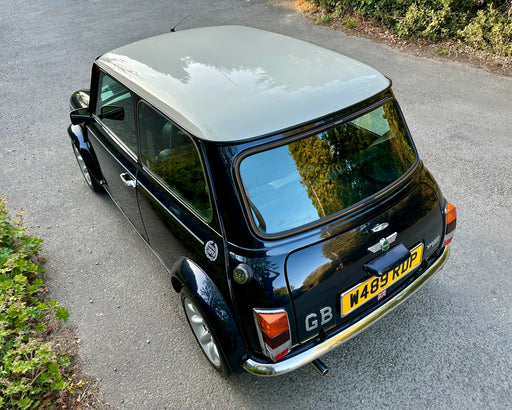
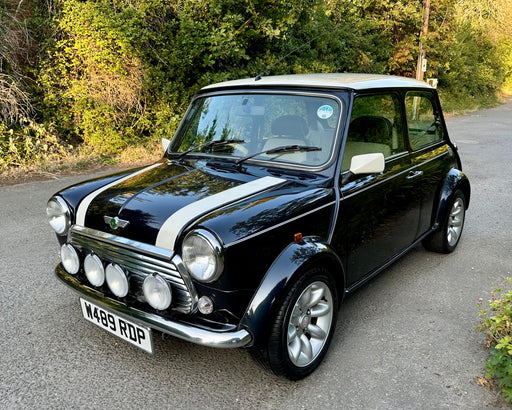
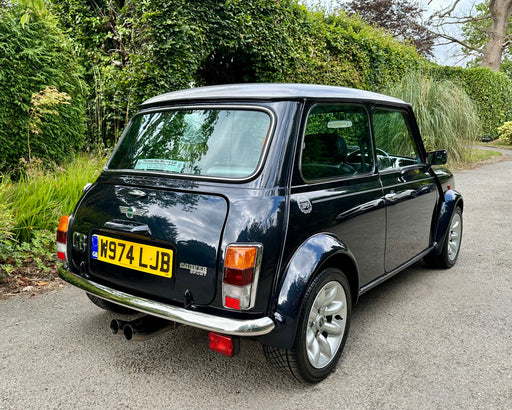
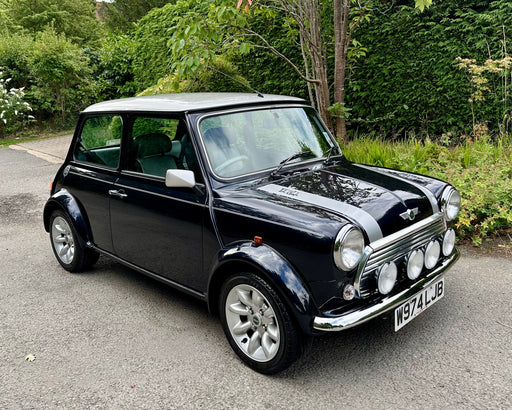
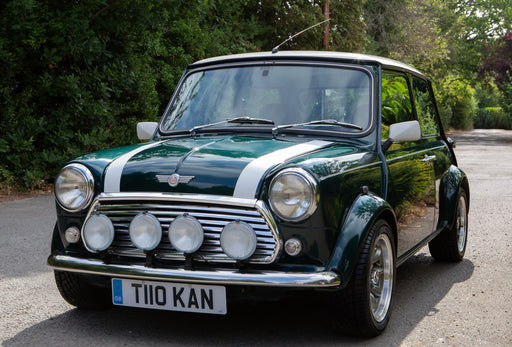
1998 Rover Paul Smith Mini
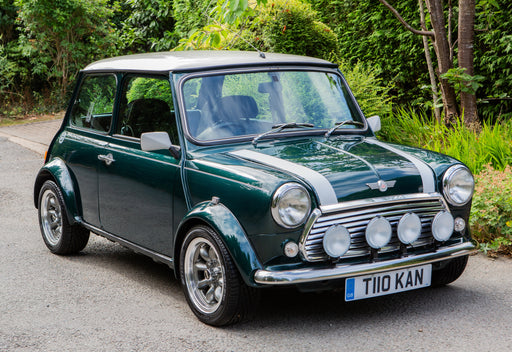
 1998 Rover Paul Smith Mini
As you can see above, the Paul Smith edition boasts a striking deep blue deep colour with a bold green accent. The original Paul Smith blue flexes across the dashboard, bringing the joy inside to the driver. With only 1,800 produced, it certainly finds itself in the sweet spot of rare, exciting and utterly captivating, maintaining strong demand.
Mini Cooper and Cooper S models remain among the most sought after, largely due to their motorsport heritage and engaging driving experience. Examples from the 1990s continue to attract attention fortheir historical and cultural significance.
Limited edition Minis are also gaining traction. Models such as the Italian Job or Paul Smith editions benefit from both controlled supply and unique personality, which adds to their appeal.
 1993 Classic Rover Mini Italian Job in Diamond white
The Italian Job edition oozes charm and persona. This Diamond white exterior, contrasting black roof and bonnet stripes are complemented by black leather and tidy red detailing inside. A clean balance ofclass and bravado make this edition a real icon and fan favourite.
Across all models, originality plays a defining role. Unmodified cars with documented history are increasingly favoured over heavily restored or altered examples.
Holding long-term value can be predicted with a few key characteristics:
Original specification with minimal modification
Comprehensive service and ownership history
Desirable features such as manual gearboxes or rare trims
A strong enthusiast following
These factors contribute to both desirability and confidence in the second-hand market. Cars that meet these criteria hold attention and drive value even as trends shift.
Condition remains important, but history carries equal weight. A well-documented car with consistent maintenance records will generally be more appealing than one that has been extensively restored without clear origin.
Buyers are increasingly prioritising genuine original cars as a way to protect the value of the car. Signs of careful ownership, rather than perfection, often indicate a car that has been properly maintained over time. Preserving the originality of the car is one of the main attractions and increases longevity for future sales.
Focusing purely on potential value leads to missteps in the overall investment. Buying into short-term trends or overlooking condition in favour of a lower price can prove costly later on.
Maintenance is another factor that is underestimated. Even the most promising Classic requires ongoing care, and this should be factored into any decision.
A more balanced approach tends to work best. Choosing a car that is both enjoyable to own and well regarded in the market leads to better long-term outcomes. After all, the personal value a car offers through ownership is something that monetary value can’t always capture.
The Classic Car market is evolving towards models that offer genuine driving enjoyment alongside lasting appeal. Cars such as the Classic Mini and Mini Cooper continue to stand out, combining heritage, usability and strong demand. Collaborations such as the Paul Smith edition relaunch interest in these models and steer attention to the iconic Classic Mini design.
We have also noticed a wider range of models, from 1980s performance icons to previously overlooked Classics, are beginning to attract renewed recognition. Understanding these shifts can make all the difference when considering a purchase or sale.
If you are looking to buy, sell or simply understand the value of a Classic Car, browse the current collection or contact us for a quotation.
The Mini John Cooper LE 40 was unveiled in 1999, celebrating 40 remarkable years of the Mini and honouring the Cooper’s triumph in the F1 World Cha...
View detailsThis Mini Cooper Sportspack was first registered by Bristol Minis on 8th August 2000 and is presented in rare Nightfire Red with a white roof and b...
View detailsThis Mini Cooper Sportspack was first registered on 22nd February 1999 and is presented in Anthracite grey with a white roof and body decals, over ...
View detailsThis Mini Cooper Sportspack was originally supplied by Evans Halshaw Rover on 31st March 2000 and is presented in rare Anthracite grey with a white...
View detailsWe are delighted to present this stunning Mini Cooper Sport, originally supplied by Thomas Day Motors, Fleet on 30th June 2000. The Mini is finishe...
View detailsThis Mini Cooper Sportspack was originally supplied by Whichford Rover, Basingstoke on 1st March 1999 and is presented in iconic British Racing Gre...
View details