Sell your classic car

If you’ve never owned a Classic Mini before and love the idea of it, but you’re not sure whether to buy a new one instead, this guide breaks down what makes them both unique. In this blog, we compare the design, ownership, practicality and environmental impact of a Rover Classic Mini versus a modern BMW MINI.
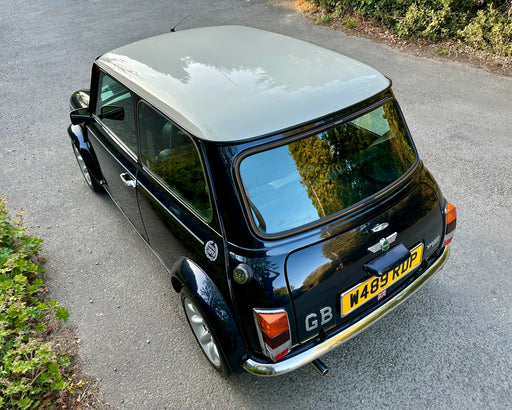
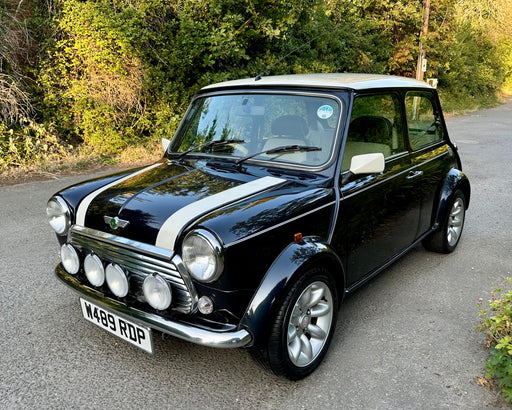
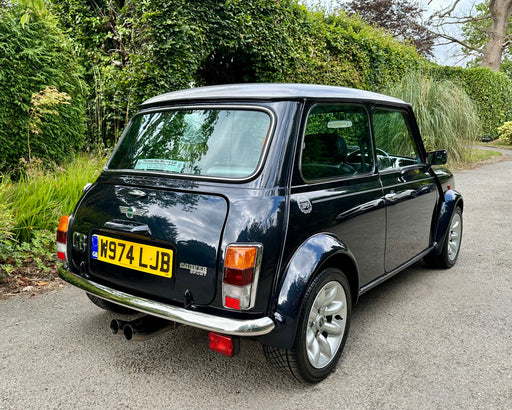
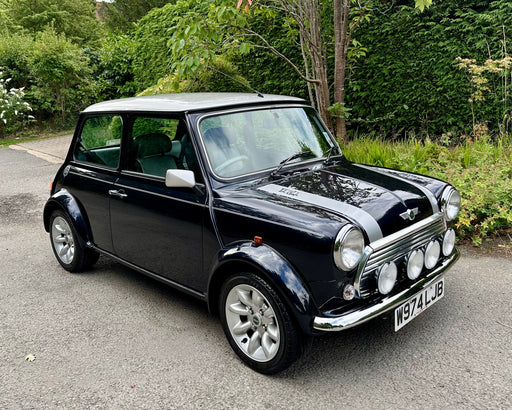
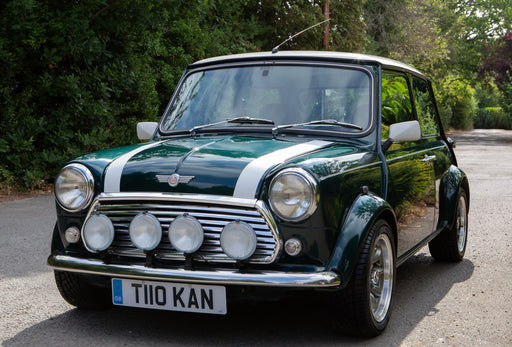
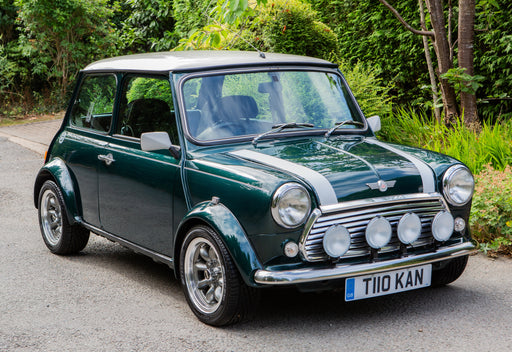
Over 5 million original Minis were built between 1959 and 2000, and they remain a genuine motoring icon. The Classic Rover Mini, with its compact design, is just under 3.1m long. The layout – with transverse engine and front-wheel drive – was radical when it was launched and this has since become the industry norm. It has simple mechanicals, with no power steering, ABS or airbags, and weighs sub-700kg – a figure no modern car can match.
In comparison, the modern BMW MINI, launched in 2001, is nearly a metre longer, built on contemporary safety structures, and shares BMW Group’s platforms and tech. It’s far heavier and more complex. The much-loved retro touches, such as the large central speedometer and air vents remain, while the push-button start and six-speed manual introduce modern functionality.


A Rover Mini is a lightweight, mechanically simple runabout that’s reliable with attentive maintenance. The drive is raw, hands-on and unassisted, with a firm ride and strong road feel. It’s fun to drive, with its wheels pushed to the corners, giving it go-kart-like handling.
Fast forward to the BMW MINI, which also has a great driving experience – it’s joyful but also has sharp handling and is efficient. Offering more front headroom and practicality, it’s a great car for comfort and convenience, with climate control, infotainment, and warranty cover.
Buying a Classic Mini is a bit like buying a beautiful vintage coat – it has some stories to tell, but it’s a head-turner, nonetheless. This option means there’s no new manufacturing footprint, although fuel efficiency isn’t as high and it produces more emissions than the more modern choice. If you plan to use it purely for high days and holidays, this matters less in the overall picture.
Today’s MINIs do come with the manufacturing footprint upfront. This is roughly a fifth to a quarter of lifetime emissions on average. However, manufacturing emissions for a smaller car are lower, and in the longer term, this is offset by much better fuel efficiency and lower running emissions over the car’s lifetime.
Yes, buying a Classic Rover Mini means you’re extending the life of a Mini, rather than manufacturing from new. Keeping an existing car on the road avoids the upfront manufacturing footprint entirely. Plus, some Classic Minis will have had components rebuilt and replaced, which supports a circular approach.
The modern electric has zero tailpipe emissions, and the current MINI Cooper Electric has a range of 179 to 250 miles depending on trim. Charging is quick too; from 10% to 80% in half an hour on a rapid charger.
There is a higher embodied carbon (CO2 released before it’s driven) from the battery versus petrol, but this narrows over the car's life as it runs on increasingly clean grid electricity.
For someone weighing the Classic Mini against a new MINI, an electric model offers a genuinely different option; and the choice depends on mileage, how long you’ll keep the car and how clean your electricity supply is.
If you’d like to know more, read our blog on Electric Classic Minis in 2026: what do they mean for original Mini enthusiasts?
If you’re an enthusiast who wants a project car to tinker with and you’re comfortable with (or willing to learn) basic mechanics, this is a great choice. It’s a collector’s item and is ideal if your annual mileage is low and your priority is car shows and classic meets, rather than daily transport. There’s also a strong specialist network for parts. But if you’re not mechanically confident, then a specialist garage will be your trusted friend. Go for it if you want character and originality!
Check our guide and find out if you should consider buying an old Mini.


The MINI has all the practicalities and comfort of a modern car, so is perfect for commuting or going on a road trip with friends and family. It also has all-weather reliability, warranty cover and an infotainment system.
If you’re still not sure and need more advice about buying or selling a Classic Mini, please browse our Classic Minis for sale, find out about selling your Classic Mini or contact us.
The Mini John Cooper LE 40 was unveiled in 1999, celebrating 40 remarkable years of the Mini and honouring the Cooper’s triumph in the F1 World Cha...
View detailsThis Mini Cooper Sportspack was first registered by Bristol Minis on 8th August 2000 and is presented in rare Nightfire Red with a white roof and b...
View detailsThis Mini Cooper Sportspack was first registered on 22nd February 1999 and is presented in Anthracite grey with a white roof and body decals, over ...
View detailsThis Mini Cooper Sportspack was originally supplied by Evans Halshaw Rover on 31st March 2000 and is presented in rare Anthracite grey with a white...
View detailsWe are delighted to present this stunning Mini Cooper Sport, originally supplied by Thomas Day Motors, Fleet on 30th June 2000. The Mini is finishe...
View detailsThis Mini Cooper Sportspack was originally supplied by Whichford Rover, Basingstoke on 1st March 1999 and is presented in iconic British Racing Gre...
View details