Sell your classic car

The ERA Mini Turbo is generally recognised as the fastest officially sold road-going Classic Mini, with a top speed of approximately 110 mph. Its turbocharged 1275cc engine produced 94 bhp, making it considerably quicker than the standard production Minis of its time.
However, the ERA was a Rover-approved specialist conversion rather than a regular factory production model. The original Cooper S and later John Cooper performance models also played important roles in the Mini's performance history, with some surprising differences between them.
Introduced in 1989 to celebrate the Mini's 30th anniversary, the ERA Mini Turbo featured a turbocharged 1275cc engine derived from the MG Metro Turbo. Producing 94 bhp, it also benefited from revised suspension, upgraded brakes and 13-inch alloy wheels to accommodate its increased performance.
With a top speed of approximately 110 mph and a 0–60 mph time of around 7.5 seconds, the ERA offered exceptional performance for a Classic Mini. The conversion was officially approved by Rover, with cars sold and serviced through its dealer network.
Only 436 ERA Mini Turbos were produced, making it one of the rarest performance versions of the Classic Mini. For collectors, originality and supporting documentation are particularly important, especially given the specialist components used in its construction.
The Classic Mini evolved considerably throughout its production years, with different engines, gearing and body styles influencing performance.
| Model | Approximate power | Top speed |
|---|---|---|
| Original Mini 850 (1959) | 34 bhp | 72 mph |
| Cooper S 1071 (1963–64) | 70 bhp | 92 mph |
| Cooper S 1275 (1964–71) | 75–76 bhp | 97 mph |
| Mini 1275 GT (1969–80) | 59–60 bhp | 87–90 mph |
| ERA Mini Turbo (1989–91) | 94 bhp | 110 mph |
| Rover Cooper MPi (1996–2000) | 62–63 bhp | Around 90 mph |
| Cooper S Works (1999) | 90 bhp | 102 mph |
Figures are approximate and may vary depending on specification, gearing and test conditions.
The Cooper S 1275 was one of the fastest original production Minis, reaching nearly 100 mph and accelerating from 0–60 mph in approximately 11 seconds. Its performance helped establish the Mini's motorsport reputation, with Cooper S models achieving overall victories at the Monte Carlo Rally in 1964, 1965 and 1967.
One of the more surprising aspects of Classic Mini performance is that a newer model, or one with a larger engine, isn't necessarily faster.
The 1275 GT is a good example. Introduced in 1969, it shared the 1275cc engine capacity of the earlier Cooper S but produced considerably less power. Its squarer Clubman-style front was also less streamlined than the original round-front design, potentially creating additional aerodynamic resistance at higher speeds.
As a result, the 1275 GT generally reached around 87–90 mph, compared with approximately 97 mph for the Cooper S 1275. Despite its sporty appearance and useful mid-range performance, it couldn't match the Cooper S for outright speed.
It's a useful reminder that engine capacity alone doesn't determine performance. Power output, gearing, weight and aerodynamics all contribute to how quickly a Classic Mini can accelerate and the top speed it can achieve.
One of the defining characteristics of the Classic Mini is how engaging it feels to drive, even when its outright speed is relatively modest.
The original 1959 Mini weighed approximately 600–680 kg, depending on specification. Its low weight, compact dimensions and responsive steering contributed to its agility, particularly through corners and on winding roads.
Shorter gearing in earlier models also helped the Mini feel responsive at lower speeds, while the low driving position and direct feedback created a strong sense of connection to the road.
This is part of what makes performance Minis so appealing. Their character isn't defined solely by top speed, but by how effectively they use their available power.
Modified Classic Minis can achieve considerably higher performance figures than their original specifications.
Engine tuning, upgraded cylinder heads, alternative gearing and turbocharging can all improve performance. Given the Mini's relatively low weight, even modest increases in horsepower can make a noticeable difference to acceleration.
However, more power doesn't automatically make a better car. Braking, suspension, cooling and transmission upgrades are equally important, particularly when increasing performance beyond the original specification.
For anyone considering a modified example, we'd recommend assessing the quality of the conversion, supporting documentation and overall mechanical condition. Extensive modifications can also affect originality and future collectability, particularly on rare Cooper and Cooper S models.
We've covered the options in more detail in our guide to the best engine upgrades for a Classic Mini.

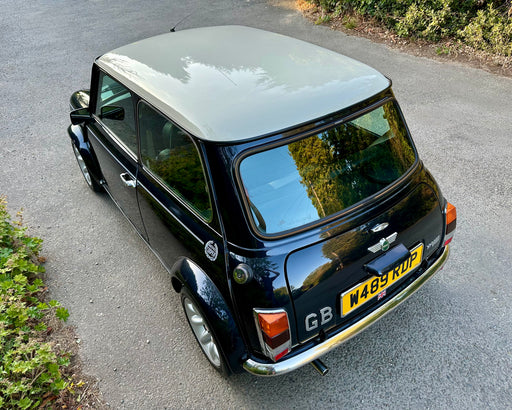
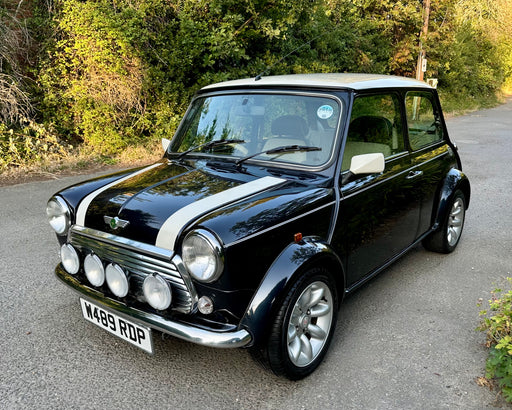
A 1999 Mini Cooper S Touring Sportspack, featuring a specialist 85 bhp conversion by John Cooper Garages.
For enthusiasts who value original performance and motorsport history, the 1960s Cooper S 1275 remains a highly desirable choice. Its combination of power, rally heritage and collectability continues to attract considerable interest.
The ERA Mini Turbo offers something rarer, with exceptional performance for its period. However, its specialist components and limited production make originality, maintenance history and documentation especially important.
Later John Cooper performance models are also worth considering. The Cooper S Touring, Sport 5 and S Works offered specialist engine upgrades, with the Sport 5 featuring a five-speed gearbox. We've previously handled examples of both, which you can read about in our guide to the Mini Cooper S Touring and Sport 5 by John Cooper Garages.

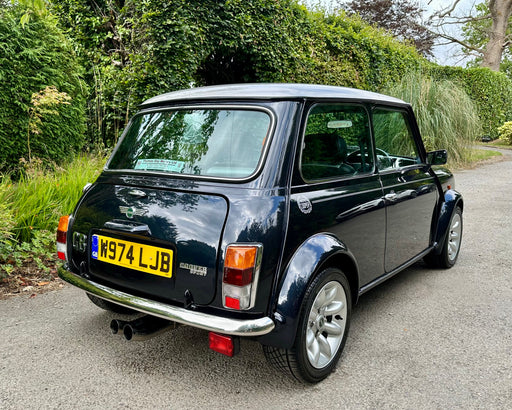
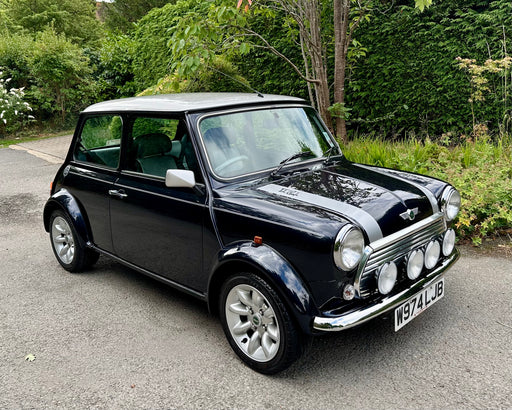
A rare 1997 Mini Cooper S Sport 5, featuring a five-speed gearbox and upgraded 85 bhp engine.
Ultimately, the fastest Classic Mini isn't necessarily the right choice for every enthusiast. Originality, condition and how you intend to use the car are just as important as its performance figures. We cover these considerations further in our guide to the best year to buy a Classic Mini.
The ERA Mini Turbo takes the top-speed honours at approximately 110 mph, but every performance model has its own appeal. If you're looking for a particular Classic Mini, contact us to discuss what you're looking for.
First registered on 6th September 1999, this Mini Cooper Sportspack is finished in striking Solar Red with a contrasting Platinum Silver roof and s...
View detailsThe Mini John Cooper LE 40 was unveiled in 1999, celebrating 40 remarkable years of the Mini and honouring the Cooper’s triumph in the F1 World Cha...
View detailsThis Mini Cooper Sportspack was first registered by Bristol Minis on 8th August 2000 and is presented in rare Nightfire Red with a white roof and b...
View detailsThis Mini Cooper Sportspack was first registered on 22nd February 1999 and is presented in Anthracite grey with a white roof and body decals, over ...
View detailsThis Mini Cooper Sportspack was originally supplied by Evans Halshaw Rover on 31st March 2000 and is presented in rare Anthracite grey with a white...
View detailsWe are delighted to present this stunning Mini Cooper Sport, originally supplied by Thomas Day Motors, Fleet on 30th June 2000. The Mini is finishe...
View details