Sell your classic car

Condition, specification and presentation all influence buying decisions, but understanding a Mini's history can help explain the decisions, maintenance and investment that shaped the car as it is today.
How do you separate a well-cared-for Classic Mini from one that has simply been prepared for sale? The answer often lies in understanding the clues left behind by previous owners, restorers and specialists.
Yes. A Classic Mini's condition only shows what the car looks like today, while its history explains how it reached that point. Two Minis can appear almost identical on inspection, yet their ownership journeys may reveal very different levels of care and investment.
A freshly painted Mini can make an excellent first impression, but appearance alone rarely tells the whole story. A car that has been maintained consistently over many years often shows evidence of thoughtful ownership long before it reaches the point of needing major restoration. Equally, a Mini that has recently undergone cosmetic work may still have unanswered questions beneath the surface.
Rather than simply reviewing paperwork, it is worth considering the broader ownership journey the vehicle reveals. How has it been used? Has it been improved thoughtfully over time? These details often provide valuable context that helps explain the Mini's current condition.
If you’re looking to sell a Classic Mini, read our blog on the paperwork you need to sell a Classic Car.

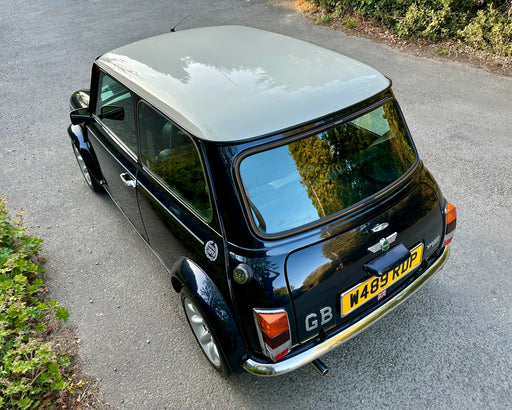
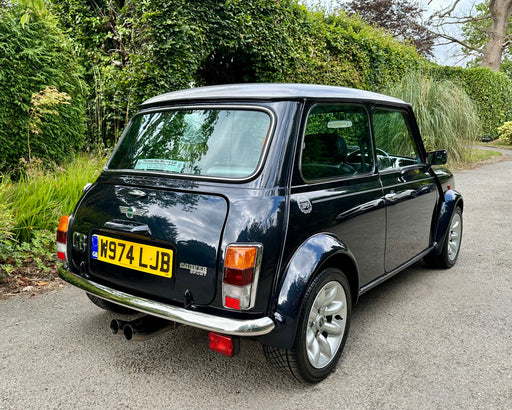
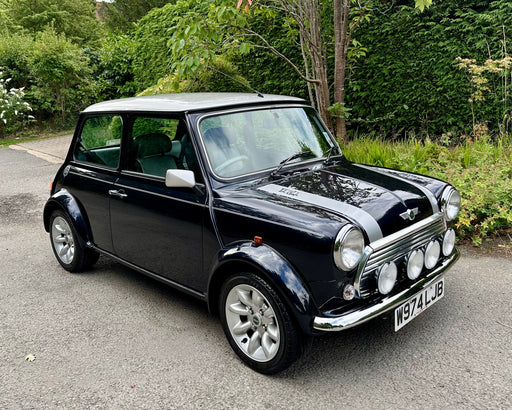
Mini John Cooper LE 40
Rather than focusing solely on the number of previous owners, buyers should look for patterns that indicate consistent care and enthusiasm for the car.
Long-term ownership can be reassuring because it often allows a detailed maintenance history to build naturally over time. That said, frequent ownership changes are not always a cause for concern. Some Minis pass between enthusiasts, collectors and specialists who each contribute to the car's development.
The key is whether the ownership journey feels logical and supported by evidence, not judging the number of owners alone.
Signs that owners invested in the car include:
Unlike a modern everyday car, where multiple owners over a short period can sometimes raise questions, these details reveal more about the car's life than ownership numbers alone.
A Heritage Certificate can be one of the most useful tools when verifying a Classic Mini's history because it provides a record of how the car left the factory. Issued using archive records held by the British Motor Museum, it can help confirm details such as the original build date, engine number, body number, factory colour, trim specification and destination market.
For buyers, this information can provide valuable context when assessing whether a Mini has remained true to its original specification or undergone significant changes during its life. A colour change is not necessarily a problem, nor are replacement parts, but understanding what has changed allows buyers to make a more informed decision.
Heritage Certificates can also help identify cars that are being advertised incorrectly. We've seen Minis advertised as genuine Coopers only for the Heritage Certificate to reveal they left the factory as a standard Mini model. In cases like this, the paperwork can tell a very different story from the sales advert.
When reviewing a Classic Mini's history, a Heritage Certificate should not be treated as the final word on a car's quality, but it can be an excellent way to verify claims and better understand its origins.
The latest year the British Motor Museum can provide a full Heritage Certificate for is 1981.
A well-restored car is one where the workmanship is so seamless that you wouldn’t even realise it has been restored.
The best restoration records explain decisions, not just costs. Buyers should look for evidence that work was carried out methodically and addressed known Mini problem areas rather than simply improving appearance.
Quality restoration normally tackles structural concerns first, such as corrosion around the sills, floor pans, A-panels and subframes. It’s important to buyers should look for evidence showing how repairs were approached and completed. Work-in-progress photographs are an excellent way to provide more reassurance than photographs of the finished vehicle alone. They show what was found, how repairs were completed and the standard of workmanship involved. An excellent example of work-in-progress photographs can be found on the Mini Sport website.
Particularly valuable images include:
Experienced buyers often place significant value on these photographs because they reveal the parts of a restoration that are no longer visible once the work is complete.
For a detailed guide to inspecting a vehicle before purchase, read our article on what to check before buying a used Classic Mini.
The most valuable history files record key milestones rather than every minor maintenance task. These milestones help create a timeline that explains the car's development over decades.
When assessing a Classic Mini's history, look for evidence relating to:
A Mini that has covered thousands of miles attending events or touring across the country often tells a very different story from one that has spent years stored away. Neither is necessarily better, but understanding that history helps buyers appreciate the car beyond its specification sheet.
The internet has made it easier than ever to build a picture of a Classic Mini's past. A simple search of the registration number can sometimes uncover previous sale adverts, auction listings, forum discussions and social media posts that help fill gaps in the car's documented history. However, note that the earliest year you are able to check a car’s VOSA MOT history online is 2005.
Facebook groups dedicated to Classic Minis can be particularly useful. Enthusiasts often share photographs from shows, restoration projects and club events, meaning a Mini may have appeared online years before it came up for sale again.
Reverse image searches can also be surprisingly effective. If a seller has used historic photographs in an advert, tools such as Google Images may reveal where those photographs have appeared previously. This can sometimes uncover older listings that show how the car looked before restoration work or modifications were carried out.
Online research should not replace a thorough inspection or a review of the history file, but it can provide useful additional context and occasionally uncover details that paperwork alone does not reveal.
For example, we once had a lovely Mini Cooper come through with only a small collection of MOT certificates and service records. At first glance, there appeared to be gaps in its documented history. However, a quick search of the registration number uncovered photographs from Mini club events and local shows dating back more than a decade. Not only did the images help fill in the timeline, but they also showed the car had been consistently well-presented and clearly enjoyed by enthusiast owners over many years.
Examples like this demonstrate why it pays to look beyond the paperwork.
Service records often reveal an owner's attitude towards maintenance. A detailed history shows whether issues were addressed early or left to develop into larger repairs.
Gaps in service records are common with older classics and do not automatically indicate a problem. Many owners carry out maintenance themselves, while historic paperwork can simply become misplaced over time.
The important question is whether alternative evidence supports the life of the vehicle. MOT history, restoration photographs, specialist invoices and owner notes can all help fill gaps and provide reassurance where complete service records aren’t available.
An MOT history can also reveal patterns of maintenance, recurring issues and how quickly previous owners responded to problems.
Repeated advisories for the same issue can sometimes indicate that repairs were delayed or that previous work failed to resolve the underlying cause. Equally, a sudden increase in mileage without corresponding service records may warrant further investigation.
The most reassuring histories often show advisories being addressed promptly, with subsequent MOT tests demonstrating that issues were properly resolved. While no Classic Mini is perfect, a clear pattern of preventative maintenance and timely repairs can provide valuable evidence of good ownership.
Yes. The strongest history files often contain details that were never intended to increase value. They simply accumulated over years of ownership.
Items such as handwritten notes, old photographs, parts catalogues, club newsletters, historic correspondence and event entry forms can all contribute to a richer picture of the vehicle's life.
 Classic Minis on display at the Brooklands Best of British Show 2026
These pieces of history are often particularly interesting because they capture how the Mini was actually used and enjoyed. They can reveal road trips, restoration projects, club involvement and long-term ownership stories that formal documents alone cannot provide.
Sometimes a Mini's history extends beyond the paperwork itself. Previous owners may still be active within local Mini clubs, enthusiast groups or the wider classic car community. It's not uncommon for buyers to discover that a friend, club member or specialist workshop has encountered the car before and can provide additional insight into its past. While these conversations should not replace documented evidence, they can occasionally help fill gaps and provide useful context.
The best Classic Minis are supported by a collection of evidence that explains how the car has been maintained, restored and enjoyed over time.
A comprehensive history provides greater transparency and helps explain previous repairs, upgrades and restoration work. It can also make future ownership easier, particularly when maintenance records provide a useful reference point for future servicing.
It's also worth listening carefully to the seller's account of the car's history. A knowledgeable owner should be able to explain when major work was completed, why modifications were made and how the Mini has been used. The strongest examples are often those where the seller's story aligns with the paperwork, photographs and evidence you can verify independently.
When viewing a Classic Mini, spend as much time understanding its ownership journey as inspecting its condition. A history file that shows decades of thoughtful ownership can provide reassurance that lasts long after the purchase is complete.
If you are considering buying or selling a Classic Mini and would like advice on assessing a vehicle's history, get in touch or browse our Minis for sale.
Supplied new by Mill Garage Rover on 1st March 2000, this Mini Cooper Sportspack is finished in iconic British Racing Green with a contrasting whit...
View detailsThe Mini John Cooper LE 40 was unveiled in 1999, celebrating 40 remarkable years of the Mini and honouring the Cooper’s triumph in the F1 World Cha...
View detailsThis Mini Cooper Sportspack was first registered by Bristol Minis on 8th August 2000 and is presented in rare Nightfire Red with a white roof and b...
View detailsThis Mini Cooper Sportspack was first registered on 22nd February 1999 and is presented in Anthracite grey with a white roof and body decals, over ...
View detailsThis Mini Cooper Sportspack was originally supplied by Evans Halshaw Rover on 31st March 2000 and is presented in rare Anthracite grey with a white...
View detailsWe are delighted to present this stunning Mini Cooper Sport, originally supplied by Thomas Day Motors, Fleet on 30th June 2000. The Mini is finishe...
View details